
Thank you for Subscribing to Transportation Review Weekly Brief


Fleet management is often dominated by two extremes: small providers serving limited needs and large corporations managing thousands of vehicles. Between those two ends exists a group of businesses that require sophisticated fleet support but often struggle to receive the attention they need.
This is where Doering Fleet Management has built its reputation.
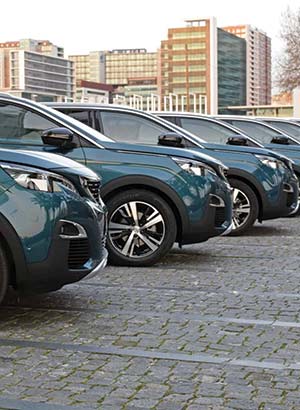 Under the leadership of Adam Berger, President of Doering, and Chip Doering, Founder of Doering, the company has focused on supporting mid-market businesses operating fleets of approximately 20 to 500 vehicles on average, growing to manage vehicles across the United States with over 97% retention. Most clients come to Doering and never leave, with many spanning 10-30 years. Berger believes these companies have historically been underserved by larger fleet management providers that may not offer the personal attention and responsiveness these growing businesses require. In addition he noted a key theme that led us them to be awarded this honor two years in a row, “We take a complicated, administratively burdensome function off management's plate so they can focus on running their business.”
For Doering, the difference comes down to understanding that every vehicle represents more than an asset. It represents a technician reaching a customer, a salesperson meeting a prospect, or a business fulfilling its commitments.
Standing Beside Clients during Challenges
The company’s approach became especially evident during the vehicle supply chain disruptions that affected businesses across industries. While many organizations struggled to secure vehicles, Doering focused on finding solutions instead of simply communicating delays.
The company searched across different markets to locate available vehicles, even moving inventory across the country when necessary to help clients avoid excessive costs. Berger noted, “We made the difficult decision to purchase vehicles our clients needed and hold them as inventory. That had never been done in our business. We did it to support our people and, in turn, help our people support the clients who depended on us!” That experience reinforced Doering’s belief that service is really measured when circumstances become difficult, not in average times, adding, “I believe our true colors showed brightest when our clients and our people needed us most.”
“We have had to be scrappy, work harder, create better client experiences, show more value, and keep our promises better than the competition in order to grow year after year and retain our clients in a competitive industry,” says Berger.
That mindset has helped the company establish long-term relationships with businesses that need a fleet partner capable of responding quickly and consistently. “Consistency comes in many forms—consistent account management, consistent service levels and response times, and, perhaps most importantly, being consistently easy and enjoyable to work with!”
Helping Businesses Scale without Fleet Challenges
Many companies experience growing pains as their operations expand. They add employees, enter new markets, and increase revenue, but their fleet processes often fail to keep pace. Older vehicles, rising maintenance costs, and operational downtime can eventually slow growth.
Doering helps businesses address these challenges by creating structured fleet strategies. The company evaluates vehicle utilization, maintenance history, replacement timelines, and business objectives to develop plans that align with long-term growth. Doering’s team makes the complexity of all the possible fleet vehicle decisions, how long to hold vehicles, how to maintain, fuel, and track them–simple! “We love to keep the simple stuff simple and use our minds to support management teams making intelligent decisions. We help them focus on the hard stuff in their days–hiring, retention, customer issues, strategic projects, and more.”
-
We want to make fleet management as simple as possible and take the load off business owners and managers so they can focus on growing and sustaining their businesses.
Through its Fleet Wellness® approach, Doering helps clients understand the condition of their fleets and prioritize improvements. Instead of waiting until vehicles become costly problems, the company works with organizations to create proactive replacement strategies.
Complete Fleet Management Partner
Doering’s role extends beyond leasing vehicles. The company provides a complete range of fleet services, including acquisition, financing, maintenance management, fuel programs, telematics, safety solutions, registration and title management, pool vehicle management, and ultimately vehicle remarketing. Our editors noted what differentiates Doering is not simply the breadth of services, but the way those services are coordinated around the client's business objectives.
The process begins by understanding what clients want their fleets to accomplish. From there, Doering analyzes available data, recommends appropriate vehicles, manages purchasing and upfitting, and continues supporting operations after delivery.
This comprehensive approach allows business leaders to spend less time dealing with vehicle-related issues and more time focusing on their customers and employees.
Growing Through Trust and Service
A key part of Doering’s success has been its relationship-driven model. Rather than requiring companies to immediately transition an entire fleet, Doering is comfortable starting with a small number of vehicles and allowing the relationship and results to speak for themselves.
The company’s team also plays an important role in maintaining that experience. Doering works with fleet professionals who stay involved with clients throughout their relationship, ensuring continuity and accountability as fleets evolve.
 Named Fleet Management Company of the Year for 2026, Doering Fleet Management has earned the recognition for the second consecutive year. Doering continues to expand its capabilities while maintaining the service philosophy that helped it grow. By combining fleet expertise, personalized support, and practical strategies, the company continues helping businesses keep their operations moving forward. The customer experience Doering delivers is truly unique in the industry which is why Doering is so deserving of this award two years in a row!
As organizations face increasing pressure to control costs and improve efficiency, Doering remains focused on one objective: making fleet management easier for the companies that depend on it every day. “Everything else in our lives is becoming more complex, more expensive, and more administratively burdensome. We want to make fleet management as simple as possible and take that load off business owners and managers so they can focus on the hardest work of all—growing and sustaining their businesses while serving their employees, families, and customers.
Keeping Growing Fleets Moving Without Tying Up Capital
Rapidly growing fleets often expose a mismatch between vehicle demand and the processes used to manage it. A business may add drivers quickly while replacement schedules and financing practices remain built for a much smaller fleet. Vehicles stay in service too long and repair costs rise. Downtime then begins to interfere with revenue-producing work. A fleet management provider should therefore be judged less by the breadth of its menu than by how well it helps a company control vehicle age and availability while protecting working capital as the fleet expands.
Replacement strategy is a central buying factor because purchase price alone can distort the economics of a vehicle. Model year and expected mileage affect total cost of ownership, while resale timing can materially change what the vehicle ultimately costs. Keeping a vehicle longer may appear economical until maintenance becomes frequent or downtime starts disrupting field schedules. Executives should examine whether a provider can use fleet data to set replacement thresholds and revise them as growth changes the mix of vehicles in service. The stronger approach ties acquisition decisions to expected useful life rather than treating replacement as an isolated purchasing event. It should also account for how quickly mileage accumulates across different roles, since a sales vehicle and a service van can reach replacement points on different schedules.
Service design matters just as much. Fleet administration becomes harder when maintenance approvals and registration work remain scattered across internal staff, while vehicle sourcing creates another stream of follow-up. Executives should look for a provider that can absorb these recurring tasks without removing management visibility. Reporting should make fleet condition easy to review while day-to-day activity stays outside the executive workload. A single provider handling acquisition and ongoing administration can also reduce the handoffs that slow decisions when vehicles need to be added or replaced. Responsibility should remain clear across the vehicle lifecycle rather than shifting between internal staff and outside providers.
Capital structure creates another dividing line. Companies expanding service territories or adding technicians can outgrow the amount of cash they are willing to place into vehicles. Leasing can preserve cash for hiring or expansion, but the financing model still needs to match expected holding periods and replacement timing. A provider should be able to connect leasing terms with the fleet plan rather than treating finance as a separate transaction. Buyers should also consider how easily the relationship can begin. Requiring a full fleet transfer before service has been tested can increase switching risk for a growing business. A staged start gives management a way to assess response time and process quality before placing more of the fleet under one provider.
Doering Fleet Management builds its service around fleet analysis and vehicle acquisition, then carries that work through administration and disposition. It uses fleet data to establish replacement priorities and develop a rolling three-year plan tied to vehicle condition and business direction. Its rolling three-year plan gives clients a defined replacement path while management reports keep executives informed without pulling them into day-to-day fleet administration. Doering also supports leasing and maintenance management, with telematics available where clients want fleet oversight. Clients can begin with a limited number of vehicles rather than moving a fleet at once. Its leasing model can preserve flexibility in funding fleet growth. For executives that need tighter replacement discipline and less internal fleet work, Doering merits consideration.
...Read more
Fleet Management Companies Info
Q1
What Services Do Fleet Management Companies Provide?
Fleet Management Companies help businesses acquire, operate, maintain and replace vehicles used in daily operations. Their services typically include vehicle leasing, procurement, maintenance scheduling, fuel management, telematics and remarketing. Some providers also handle registration, insurance coordination and driver safety programs. By bringing these responsibilities together, they help organizations control operating expenses and reduce administrative work. Fleet management is particularly valuable for businesses whose vehicles are essential to customer service, deliveries, field operations or employee transportation.
Q2
How Does Doering Fleet Management Support Growing Businesses?
Doering Fleet Management works with Fleet Management Companies' core responsibilities while emphasizing personalized support for mid-market businesses. Led by President Adam Berger and founder Chip Doering, the company primarily serves organizations operating approximately 20 to 500 vehicles. Its services cover acquisition, financing, leasing, maintenance, fuel programs, telematics and vehicle remarketing. Rather than applying the same program to every customer, Doering evaluates each organization's operating requirements and develops a suitable fleet strategy. The company reports client retention exceeding 97 percent.
Q3
Why Is Proactive Vehicle Replacement Important for Fleet Operations?
Fleet Management Companies help businesses decide when it makes sense to replace their vehicles, rather than waiting until frequent breakdowns and costly repairs become a problem. These decisions take into account a vehicle’s age, mileage, maintenance costs, usage and resale value. Keeping a vehicle for too long can lead to more repairs and unexpected downtime, while replacing it too soon can mean spending money unnecessarily. By regularly reviewing fleet performance, businesses can identify the right time for replacement, plan their budgets and prepare for future vehicle needs.
Q4
What Should Businesses Consider When Choosing a Fleet Management Provider?
Businesses evaluating Fleet Management Companies should examine service coverage, leasing flexibility, maintenance support and the provider's ability to respond to operational problems. Experience with similar fleet sizes and vehicle applications is important. Companies should also assess reporting capabilities, account management continuity and access to replacement vehicles. Clear communication matters when unexpected repairs or supply disruptions occur. A suitable provider should explain the total cost of ownership and help management make decisions based on operational requirements rather than vehicle acquisition costs alone.
Q5
How Does Doering Fleet Management Address Fleet Challenges and Disruptions?
Doering Fleet Management demonstrates how Fleet Management Companies can support clients during difficult operating conditions. During vehicle supply chain disruptions, the company searched multiple markets for available vehicles and transported them across the country when necessary. It also purchased vehicles and held them in inventory to meet client needs. Through its Fleet Wellness approach, Doering evaluates vehicle utilization, maintenance expenses and replacement schedules to identify potential problems early. Its relationship-driven model allows clients to begin with a small number of vehicles before expanding services.
Q6
How Can Fleet Management Support Long-Term Business Growth?
Fleet Management Companies can help growing organizations expand their vehicle operations without placing additional administrative demands on managers. Structured acquisition plans, maintenance programs and replacement schedules make it easier to accommodate new employees, service territories and customer requirements. Telematics and operating data can reveal underused vehicles or rising expenses. Outsourcing routine fleet responsibilities also gives leadership teams more time for hiring, customer relationships and business planning. Consistent oversight helps ensure that fleet operations remain aligned with changing business needs.
